Proven Strategies for Joint Health in Bernese Mountain Dogs
What Are the Key Factors Contributing to Joint Issues in Dogs?
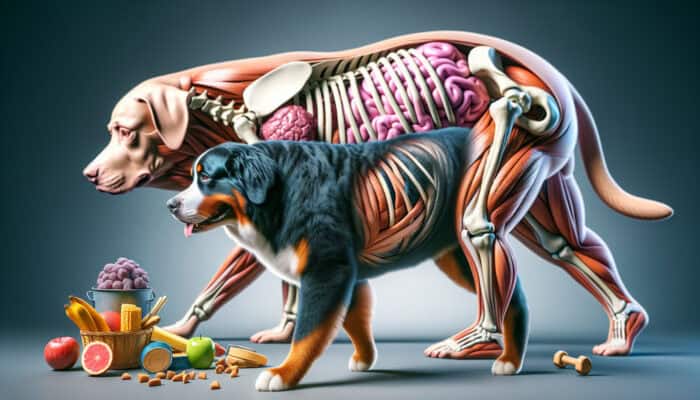
Joint problems in Bernese Mountain Dogs can stem from numerous factors, with genetic predisposition being a major element. This breed is particularly vulnerable to hereditary conditions such as hip dysplasia and elbow dysplasia, which result in pain and mobility challenges as they age. Additionally, obesity significantly increases the risk by putting excessive pressure on their joints, worsening any pre-existing conditions. Regular and appropriate exercise is vital; both excessive activity and inactivity can negatively impact joint health. Understanding these underlying causes is essential for effectively preventing and managing joint health in your cherished Bernese Mountain Dog.
To effectively prevent joint problems, it is crucial to adopt strategies such as maintaining an ideal weight and engaging in suitable forms of exercise. Monitoring your dog’s activity levels and ensuring they avoid overexertion during play or walks is key to protecting their joints. It is also critical to avoid high-impact activities during their developmental years, as these can place undue stress on their growing joints. Striking a balance in their exercise routine aids in strengthening the muscles surrounding the joints, providing better support and greatly reducing the risk of injuries.
Why Is Early Identification of Joint Problems Essential?
Timely identification of joint issues is vital for enhancing the quality of life for Bernese Mountain Dogs. Just like humans, dogs can experience pain and discomfort that significantly affects their overall well-being. Observing changes in your dog’s behavior and mobility can yield crucial insights into their joint health. Regular veterinary check-ups are necessary for detecting potential problems before they progress into more severe conditions. A qualified veterinarian can provide customized advice based on your dog’s unique risk factors and recommend preventive measures tailored to their specific needs.
Early detection allows for more effective treatment solutions. For instance, if your veterinarian identifies early signs of joint deterioration, they may recommend weight management strategies, modifications to your dog’s exercise routine, or specific supplements aimed at enhancing joint health. Conversely, neglecting subtle signs of discomfort can lead to chronic pain and more serious health concerns, ultimately affecting your pet’s quality of life. Proactive veterinary care is essential in helping your Bernese Mountain Dog stay active and healthy for as long as possible.
How Can You Efficiently Monitor Your Dog’s Joint Health?
Monitoring the joint health of your Bernese Mountain Dog is a straightforward yet essential task that involves diligent observation of their mobility and behavior. Regularly checking for signs of discomfort, such as limping, hesitance to jump or navigate stairs, and fluctuations in their activity levels, is crucial. Keeping a detailed journal to document any behavioral changes over time can facilitate your understanding of patterns and improve communication with your veterinarian.
In addition to behavioral evaluations, establishing a routine that encourages active engagement with your dog can further aid in monitoring their joint health. Participating in enjoyable activities like walking, playing fetch, or gentle tug-of-war can offer valuable insights into their mobility and energy levels. If you notice a decline in enthusiasm or stamina, it may be time to consult your veterinarian. By remaining vigilant and proactive, you can significantly enhance your Bernese Mountain Dog‘s joint health, ensuring a longer and more fulfilling life together.
Professional Recommendations for Supporting Joint Health in Bernese Mountain Dogs

What Do Veterinary Experts Recommend for Joint Health Maintenance?
Veterinarians and canine health specialists endorse a comprehensive approach to support joint health in Bernese Mountain Dogs. A well-structured strategy that includes a nutritious diet, consistent physical activity, and appropriate supplements forms a solid foundation for maintaining joint integrity. For instance, many pet owners have reported positive outcomes from incorporating omega-3 fatty acids into their dog’s diet, which aids in reducing inflammation and promoting joint health. Additionally, real-life examples demonstrate that gradually introducing exercise routines tailored to your dog’s age and physical capabilities significantly enhances their comfort and mobility.
Practically, this may involve collaborating with a canine nutritionist to create a personalized meal plan that includes high-quality protein sources, essential fatty acids, and joint-supporting supplements like glucosamine and chondroitin. A professional may also suggest specific low-impact exercises, such as swimming, which minimizes stress while improving muscle strength and joint flexibility. These strategies have proven transformative for many Bernese Mountain Dogs, allowing them to maintain their energy levels and overall happiness.
What Nutritional Components Are Essential for Joint Health?
A well-rounded diet plays a critical role in promoting joint health for Bernese Mountain Dogs. Nutritional elements rich in omega-3 fatty acids and glucosamine are particularly beneficial. Omega-3s are renowned for their anti-inflammatory properties, whereas glucosamine is essential for maintaining cartilage health and ensuring proper joint function. Here is a list of key nutrients that contribute positively to joint health:
- Omega-3 fatty acids
- Glucosamine
- Chondroitin
- MSM (Methylsulfonylmethane)
- Vitamin C
- Collagen
- Antioxidants (such as vitamin E)
- High-quality proteins
Integrating these nutrients into your dog’s diet can be accomplished through premium commercial dog foods or by including specific supplements. Consulting a veterinarian or pet nutritionist can provide personalized recommendations tailored to your dog’s unique needs. It is crucial to ensure that your Bernese Mountain Dog receives nutrition from diverse sources to not only support joint health but also enhance overall vitality and well-being.
What Forms of Exercise Are Best for Joint Support?

Engaging in controlled exercise is crucial for maintaining joint health in Bernese Mountain Dogs. Low-impact activities safeguard joint integrity while keeping your dog fit and healthy. Gentle walks, swimming, and interactive play sessions are excellent choices for your furry friend. Below is a list of beneficial exercises that are particularly gentle on their joints:
- Swimming
- Gentle walks
- Low-impact fetch
- Controlled tug-of-war
- Obstacle courses
- Short hikes on flat terrain
- Yoga for dogs (Doga)
- Stretching exercises
Understanding the appropriate duration and intensity of exercise for your dog is vital, typically ranging from 30 to 60 minutes daily. Your Bernese Mountain Dog‘s age, size, and health status will dictate the specific routines that suit them best. Create a safe and engaging exercise environment, gradually increasing intensity as your dog builds strength and endurance. Monitoring their response to exercise is essential; if they exhibit signs of fatigue or discomfort, adjusting their routine becomes necessary.
Which Supplements Are Beneficial for Joint Health Support?
Supplements can play a significant role in supporting joint health for Bernese Mountain Dogs. Glucosamine, chondroitin, and MSM are among the most frequently recommended supplements, each offering unique benefits that enhance joint function. Glucosamine aids in cartilage repair and maintenance, while chondroitin helps draw fluid to the joints, improving mobility and alleviating stiffness. MSM is recognized for its anti-inflammatory properties, helping to reduce discomfort linked with joint issues.
When considering supplements, it is essential to select high-quality products and consult your veterinarian for appropriate dosages tailored to your dog’s weight and health status. Regularly monitoring your dog’s response to these supplements is vital, as dosage adjustments or different products may be necessary for some dogs. The goal is to effectively integrate these supplements into your dog’s overall health strategy, ensuring they bolster joint health while also considering other factors like diet and exercise.
How Can You Effectively Monitor and Manage Your Dog’s Joint Health?
Monitoring your Bernese Mountain Dog’s joint health requires attentiveness to their mobility and behavioral changes. Regular veterinary check-ups are crucial for identifying any emerging issues early on. Signs of joint complications may include limping, stiffness, reduced activity levels, or difficulty rising after resting. If you notice these symptoms, seeking veterinary guidance promptly is essential, as early intervention can yield more favorable management outcomes.
In addition to professional veterinary care, tracking your dog’s daily activities can provide valuable insights into their joint health. Maintaining a detailed log of their exercise routines, dietary habits, and any behavioral shifts will assist you and your veterinarian in making informed decisions regarding their care. Regularly assessing your dog’s range of motion during playtime can also highlight indicators of joint comfort. By staying proactive and engaged in your Bernese Mountain Dog‘s care, you can play a pivotal role in promoting their joint health and overall happiness.
Exploring Dietary Supplements for Enhanced Joint Health
What Are the Most Effective Supplements for Joint Support?
In the quest to support joint health in Bernese Mountain Dogs, specific dietary supplements have proven to be particularly effective. Glucosamine, chondroitin, and MSM are widely recognized by veterinarians and pet owners for their substantial roles in maintaining joint functionality. Glucosamine is praised for its ability to stimulate cartilage production and slow down joint degeneration, while chondroitin enhances joint lubrication and reduces inflammation. Furthermore, MSM complements these benefits by offering anti-inflammatory properties that help alleviate pain and discomfort.
Many owners find that combining these supplements yields the most positive results. For example, a daily regimen incorporating glucosamine and chondroitin can effectively support long-term joint health, while MSM can provide relief during flare-ups or after increased activity levels. Choosing high-quality supplements with appropriate concentrations of these ingredients is crucial, as efficacy can vary widely among products. Consulting with your veterinarian will help identify the most beneficial options for your Bernese Mountain Dog’s specific requirements.
How to Select the Right Supplement for Your Dog?
Choosing the right supplement for your Bernese Mountain Dog involves understanding their unique health needs. Factors such as age, weight, activity level, and existing health issues significantly influence the best product for your pet. Seek out supplements that have undergone clinical testing and contain high-quality ingredients. The presence of third-party testing certification can also serve as a reliable indicator of product quality and effectiveness.
It is equally important to consider your pet’s specific requirements. For instance, if your dog has food sensitivities or allergies, selecting a supplement free from common allergens becomes crucial. Discussing your dog’s unique needs with your veterinarian can clarify the best options available. By being diligent in your selection process, you can effectively support your Bernese Mountain Dog’s joint health and overall well-being.
How to Successfully Integrate Supplements into Your Dog’s Diet?
Incorporating supplements into your Bernese Mountain Dog’s daily meals can be straightforward, ensuring they receive the joint support they need without hassle. One effective method is to mix the supplements directly into their food. This approach not only masks the flavor of the supplements but also seamlessly integrates them into their daily routine. Many owners succeed by offering treats specifically designed to include joint-supporting ingredients, creating a positive and enjoyable experience for their dogs.
Another approach involves creating homemade treats that incorporate these beneficial supplements. For example, baking dog-friendly biscuits infused with glucosamine powder or adding chondroitin into a meat-based treat can provide both nutrition and enjoyment for your dog. Regardless of the method chosen, consistency is paramount; ensure that the recommended dosages are given daily to achieve optimal results. By making the inclusion of supplements a rewarding experience, you can significantly enhance your Bernese Mountain Dog’s joint health.
Exercise and Physical Activity: Fundamental for Joint Health
What Types of Exercise Are Most Beneficial for Joint Health?
Engaging your Bernese Mountain Dog in appropriate types of exercise is essential for maintaining their joint health while preventing unnecessary strain. Low-impact activities are particularly effective, allowing your dog to remain active without the risk of injury. Here’s a list of ideal exercises for your dog:
- Swimming
- Gentle walks
- Low-impact fetch
- Controlled tug-of-war
- Obstacle courses
- Short hikes on flat terrain
- Yoga for dogs (Doga)
- Stretching exercises
Swimming stands out as one of the best activities, as it is gentle on the joints while providing a comprehensive workout. Gentle walks help maintain cardiovascular health while promoting flexibility and mobility. Additionally, engaging in interactive play, such as tug-of-war or gently tossing a toy, offers both mental stimulation and physical activity without the risk of high impact. It is crucial to adapt your dog’s exercise regimen to their specific needs, ensuring they remain both active and comfortable.
How Much Exercise Is Necessary for a Healthy Dog?
Determining the appropriate amount of exercise for your Bernese Mountain Dog significantly influences their joint health and overall well-being. Typically, 30 to 60 minutes of daily exercise proves beneficial; however, this may vary based on factors like age, weight, and existing health conditions. Younger, more energetic dogs may need more vigorous activities, while older dogs may prefer gentler, shorter sessions.
Being attuned to your individual dog’s signals is essential. If your Bernese Mountain Dog shows signs of fatigue or discomfort during exercise, it may be necessary to reduce the intensity or duration. Gradually increasing activity levels can help prevent joint strain, while regular breaks and hydration will ensure they do not overexert themselves. Ultimately, tailoring the exercise routine to your dog’s specific needs will promote longevity and happiness while safeguarding their joint health.
How to Prevent Joint Strain During Exercise?
Preventing joint strain during exercise is crucial for maintaining your Bernese Mountain Dog’s health. Implementing proper warm-up and cool-down routines can significantly reduce the risk of injury. A simple warm-up may include gentle stretching or slow-paced walking to prepare their muscles and joints for more vigorous activity. These brief sessions enhance flexibility and make subsequent exercise less taxing on their body.
Gradually increasing activity levels is vital for avoiding strain. Instead of diving into a lengthy hike or an intense game of fetch, start with shorter sessions and slowly build up their endurance. Observing their behavior during these activities will provide insights into their comfort levels. If your dog shows signs of fatigue or discomfort, it is essential to ease off and provide them with adequate rest. By being mindful and intentional in your approach, you can help your Bernese Mountain Dog enjoy exercise while protecting their precious joints.
Understanding the Impact of Weight Management on Joint Health
What Is the Ideal Weight Range for Bernese Mountain Dogs?
Maintaining an optimal weight is crucial for the joint health of Bernese Mountain Dogs. The typical weight range for this breed generally falls between 70 and 115 pounds, but individual requirements may vary based on factors such as age, sex, and activity level. Overweight dogs experience increased stress on their joints, significantly heightening the risk of developing various joint problems and discomfort.
Regularly monitoring your dog’s weight can help you make necessary adjustments to their diet and exercise regimen. Working with your veterinarian to determine the ideal weight for your specific dog will provide a clear target to strive for. A well-managed weight not only supports joint health but can also enhance overall vitality and happiness, allowing your Bernese Mountain Dog to enjoy a longer and more active life.
What Strategies Can You Implement to Achieve and Maintain a Healthy Weight?
Achieving and maintaining a healthy weight for your Bernese Mountain Dog involves a combination of dietary management and appropriate exercise. Start by evaluating their current diet to ensure it consists of high-quality ingredients tailored to their age and activity level. Portion control is essential; using measuring cups can help prevent overfeeding, a common issue faced by many dog owners.
Incorporating regular exercise into your dog’s routine is equally important. Activities should be enjoyable and varied to keep your dog motivated. Here are some effective weight management tips:
- Accurately measure food portions
- Monitor treats and snacks
- Choose high-quality dog food
- Engage in daily exercise routines
- Provide mental stimulation through interactive play
- Consult with a veterinarian for a tailored plan
- Track weight changes over time
- Implement gradual dietary changes
By integrating these strategies into your daily routine, you can help your Bernese Mountain Dog achieve and maintain a healthy weight, ultimately promoting their joint health and enhancing their overall quality of life.
How Does Diet Play a Role in Weight Management?
A diet that is low in calories yet high in nutrients is essential for effectively managing your Bernese Mountain Dog’s weight. Focus on providing high-quality proteins and fiber, which help keep your dog feeling satisfied without excess calories. Including fresh vegetables and healthy fats, such as those found in fish oils, can also be beneficial in assisting them to maintain a healthy weight while supporting joint health.
It is vital to avoid fillers and low-quality ingredients that provide minimal nutritional value. Instead, seek dog foods that offer a balanced composition of vitamins, minerals, and essential fatty acids. Consulting with a veterinarian can help pinpoint the most suitable diet for your dog’s specific needs, enabling you to tailor their nutritional intake effectively to manage their weight while promoting optimal joint health. By prioritizing a nutrient-rich diet, you can significantly enhance your Bernese Mountain Dog’s vitality and overall well-being.
What Signs Indicate Joint Problems in Dogs?
How to Recognize Early Symptoms of Joint Issues?
Identifying early symptoms of joint problems in your Bernese Mountain Dog is essential for timely intervention. Common early indicators include limping, reluctance to move, and stiffness, particularly after periods of rest. If your dog displays signs of discomfort when climbing stairs or struggles to rise from a lying position, these may signify underlying joint issues. Early detection is critical, as it allows for more effective management and treatment options.
Being observant and maintaining a journal of any changes in your dog’s behavior can help you detect patterns that may indicate emerging joint problems. For example, if your typically energetic dog suddenly becomes lethargic or shows disinterest in play, it is vital to investigate further. Engaging with your veterinarian regarding any observed changes ensures that potential issues are addressed promptly, improving the likelihood of successful treatment and better outcomes for your beloved Bernese Mountain Dog.
When Should You Seek Veterinary Assistance for Joint Issues?
Understanding when to seek veterinary assistance for your Bernese Mountain Dog is crucial for their health and well-being. If you notice persistent signs of discomfort, such as limping or difficulty moving, it is essential to consult your veterinarian. Delaying veterinary care can result in exacerbated joint issues, compounded pain, and increased treatment complexities in the future.
In addition to persistent symptoms, changes in your dog’s eating or drinking habits, unexplained weight loss, or unusual behavior should also prompt a visit to the vet. Ensuring that your dog receives regular check-ups can help identify issues before they escalate. Early veterinary intervention can lead to more effective treatment options, allowing your Bernese Mountain Dog to maintain a higher quality of life.
How to Differentiate Between Joint Issues and Other Health Concerns?
Differentiating between joint problems and other health concerns in Bernese Mountain Dogs can sometimes be challenging. Joint issues often exhibit specific symptoms such as stiffness, limping, or reluctance to engage in physical activity. However, these symptoms can also resemble those caused by muscle strains or injuries, making it essential to assess the situation carefully.
Observing your dog’s behavior during various activities can provide valuable clues. For instance, if your dog limps primarily after vigorous play but returns to normal after resting, it may suggest a muscle strain rather than a joint issue. Consulting with your veterinarian will help clarify the diagnosis, enabling the development of an appropriate treatment plan. Understanding these distinctions is vital for ensuring your dog receives the right care at the right time, facilitating a swift recovery and better long-term outcomes.
Research Insights on Joint Support for Bernese Mountain Dogs
What Insights Have Research Studies Provided About Joint Health?
Research indicates that adequate joint support can significantly enhance the quality of life for Bernese Mountain Dogs. Studies have shown that incorporating joint-supporting supplements, a balanced diet, and consistent exercise can lead to improved mobility and reduced discomfort. Real-world testimonials from dog owners highlight increased activity levels and noticeable reductions in pain after adopting a comprehensive joint care strategy.
Furthermore, veterinary studies emphasize the importance of proactive joint health management. Dogs that receive early intervention and consistent support generally experience fewer chronic issues as they age, allowing them to remain engaged and active in their daily routines. By staying informed about the latest research, pet owners can better advocate for their dogs’ health, ensuring they receive the best possible care for their joints.
What Are the Long-Term Benefits of Joint Care?
Implementing long-term joint care can yield lasting benefits for Bernese Mountain Dogs, helping to prevent chronic conditions and extend their active years. Consistent support through nutrition, exercise, and supplements can delay the onset of joint degeneration and maintain mobility well into their senior years. Providing a proactive approach to joint health not only enhances your dog’s quality of life but also fosters a stronger bond between you and your pet.
Establishing a comprehensive joint care plan involves regular monitoring and adjustments as your dog ages. It is important to account for their changing needs and consult with your veterinarian to ensure that your Bernese Mountain Dog receives the best possible support tailored to their lifestyle. By prioritizing joint health, you can significantly contribute to your dog’s happiness and vitality, allowing them to enjoy a fulfilling life alongside you.
What Are the Latest Trends in Joint Health Research?
Emerging trends in research are exploring innovative approaches to joint health in dogs, including the effects of genetics and personalized medicine. These advancements aim to customize joint care plans based on individual genetic profiles, potentially transforming the treatment of conditions like arthritis and dysplasia. Preliminary findings suggest that recognizing a dog’s genetic predisposition to joint issues can lead to more effective prevention and treatment strategies.
Moreover, ongoing studies are investigating the effectiveness of various joint supplements and their specific contributions to joint health. By staying informed about these emerging trends, pet owners can better understand their Bernese Mountain Dog’s individual needs and advocate for the most effective care options available. As the field of veterinary medicine continues to evolve, owners can anticipate improved tools and strategies for promoting joint health in their beloved pets.
Holistic Approaches to Supporting Joint Health
What Holistic Techniques Can Be Employed for Joint Care?
Holistic methods for enhancing joint health in Bernese Mountain Dogs encompass a variety of complementary therapies that can improve overall well-being. Techniques such as acupuncture, massage, and herbal remedies can offer significant benefits alongside traditional treatments. Below is a list of holistic approaches worth considering:
- Acupuncture
- Canine massage therapy
- Herbal supplements
- Chiropractic care
- Physical therapy
- Homeopathy
- Essential oils (used with caution)
- Dietary adjustments (raw or whole food diets)
These holistic approaches aim to address not only the symptoms of joint problems but also your dog’s overall health. Each method offers unique benefits, from reducing inflammation to alleviating pain and enhancing mobility. Collaborating with professionals specializing in holistic veterinary care can ensure that these methods are safely integrated into your dog’s overall health regimen.
How Can Holistic and Traditional Care Be Effectively Combined?
Integrating holistic and traditional care for your Bernese Mountain Dog requires a balanced approach, ensuring that both methods complement each other effectively. Start by consulting with your veterinarian about your interest in holistic treatments. They can provide invaluable insights into how these approaches can work alongside conventional medicine to create a comprehensive care plan.
When merging both methods, it’s important to monitor your dog’s response to each treatment. For instance, if you choose to incorporate acupuncture sessions, observe how it affects their mobility and comfort levels. Gradually introducing holistic methods allows you to evaluate their effectiveness without overwhelming your dog’s system. Collaborating with health professionals can empower you to create a well-rounded care plan that benefits your dog’s joint health and overall quality of life.
Why Is Mental Health Important for Joint Care?
Mental well-being profoundly influences the overall health of your Bernese Mountain Dog, including their joint function. Stress and anxiety can exacerbate physical ailments, leading to heightened discomfort and decreased activity levels. Providing a calm and stable environment helps minimize stress and promotes positive mental health.
Engaging your dog in mentally stimulating activities, such as puzzle toys or interactive games, can alleviate boredom and anxiety. Additionally, creating a comforting space for rest and relaxation allows your dog to recharge, which further supports their physical health. By prioritizing your pet’s mental well-being, you can indirectly contribute to their joint health, ensuring they remain happy and active throughout their life.
What Are the Advantages of Yoga for Joint Health?
Yoga, often referred to as “Doga,” is an emerging trend among dog owners seeking to enhance their pets’ joint health. The gentle stretching and movements involved in yoga can improve flexibility and strength, reducing pain and stiffness in joints. Regular practice can lead to an increased range of motion and better overall joint function for your Bernese Mountain Dog.
Incorporating yoga into your dog’s routine can be easily accomplished, even in the comfort of your own home. Participating in calming sessions together can also strengthen the bond between you and your furry companion. As with any new activity, it’s crucial to monitor your dog’s comfort levels and adjust poses to ensure their safety and happiness. By embracing yoga as part of your dog’s wellness regimen, you can significantly enhance their joint health and overall quality of life.
Effective Strategies for Supporting Joint Health in Bernese Mountain Dogs
What Are Proven Methods for Enhancing Joint Health?
Proven strategies for supporting joint health in Bernese Mountain Dogs encompass a holistic approach that includes regular veterinary visits, a balanced diet, and customized exercise routines. Establishing a routine integrating these elements is vital for maintaining optimal joint health. For instance, owners who schedule regular check-ups with their vet can effectively monitor any changes in their dog’s joint condition and make necessary adjustments to their care plan.
A balanced diet rich in essential nutrients, along with appropriate exercise, forms the cornerstone of joint support. Many owners have found success by partnering with canine nutritionists to create meal plans that meet their dog’s specific needs. In practice, this combination of nutrition and veterinary care has led to improved mobility and quality of life for numerous Bernese Mountain Dogs, underscoring the importance of a comprehensive approach to joint health.
How to Develop a Personalized Health Plan for Your Dog?
Creating a personalized health plan for your Bernese Mountain Dog involves assessing their specific health needs and collaborating with professionals to devise a tailored strategy. Start by evaluating your dog’s current health status, considering factors such as age, weight, and any existing joint issues. Consulting with your veterinarian can provide valuable insights into what adjustments may be required in their diet, exercise regimen, and supplement use.
Creating a structured plan necessitates setting achievable goals, such as weight management targets and exercise timeframes. Continuously monitoring your dog’s progress and being open to modifications based on their response will ensure the plan remains effective. By adopting a proactive, individualized approach, you can significantly enhance your Bernese Mountain Dog’s joint health and overall quality of life.
How to Monitor and Adjust Your Dog’s Health Plan Effectively?
Regular monitoring and adjustments are crucial to ensuring your Bernese Mountain Dog’s health plan remains effective. Keeping a log of their activity levels, dietary intake, and any behavioral changes will provide you and your veterinarian with the necessary information to evaluate the plan’s success. If your dog exhibits signs of discomfort or a decrease in mobility, it may indicate a need for modifications to their routine.
Engaging in open communication with your veterinarian is essential for adapting the plan based on your dog’s evolving needs. Regular check-ins will allow for timely adjustments, whether that involves altering exercise intensity, modifying their diet, or trying new supplements. By being attentive and proactive, you can help ensure that your Bernese Mountain Dog thrives while effectively managing their joint health over the long term.
What Is the Role of Supplements and Medications in Joint Health?
Supplements and medications can play a critical role in supporting Bernese Mountain Dog joint health, especially for those facing existing joint issues. Discussing the benefits and risks of various options with your veterinarian is essential for determining the best course of action. Common supplements like glucosamine and chondroitin, along with anti-inflammatory medications, may be recommended to enhance joint comfort and functionality.
Monitoring your dog’s response to these supplements and medications is crucial. If your dog experiences adverse effects or shows limited improvement, it may be necessary to discuss dosage adjustments or explore alternative options with your veterinarian. By adopting a thoughtful and informed approach to supplements and medications, you can effectively support your dog’s joint health and overall well-being.
Commonly Asked Questions About Joint Health in Dogs
What Are the Typical Joint Issues in Bernese Mountain Dogs?
Typical joint issues include hip dysplasia, elbow dysplasia, arthritis, and ligament injuries, which can significantly impact mobility and comfort.
How Can I Identify If My Bernese Mountain Dog Is in Pain?
Signs of pain include limping, reluctance to move, stiffness, and behavioral changes such as increased irritability or hiding.
What Diet Is Ideal for Promoting Joint Health?
A diet rich in omega-3 fatty acids, glucosamine, and chondroitin, along with high-quality protein and fiber, is best for promoting joint health.
Is Exercise Crucial for Joint Health?
Yes, controlled and low-impact exercise is essential for maintaining joint strength and flexibility, thereby reducing the risk of injury.
How Do I Manage My Dog’s Weight Effectively?
Implement portion control, monitor treats, engage in regular exercise, and consult your veterinarian for a tailored diet plan.
What Supplements Are Recommended for Joint Support?
Glucosamine, chondroitin, MSM, and omega-3 fatty acids are commonly recommended supplements for supporting joint health in dogs.
How Often Should I Schedule Veterinary Visits for My Dog?
Regular check-ups should be conducted at least annually, although more frequent visits may be necessary for older dogs or those with existing health issues.
Can Holistic Methods Aid in Joint Health?
Yes, holistic methods such as acupuncture, massage, and herbal remedies can complement traditional treatments and enhance overall well-being.
What Are the Signs of Arthritis in Dogs?
Signs of arthritis include difficulty rising, decreased activity, limping, and visible pain during movement.
How Can I Incorporate Supplements into My Dog’s Diet?
Supplements can be mixed into food, given as treats, or added to homemade recipes to ensure consistent intake.
Connect with us on Facebook!
The Article Bernese Mountain Dog Joint Support: Essential Tips First Published On https://elgatoencasa.com
The Article Joint Support for Bernese Mountain Dogs: Key Tips to Know Was Found On https://limitsofstrategy.com